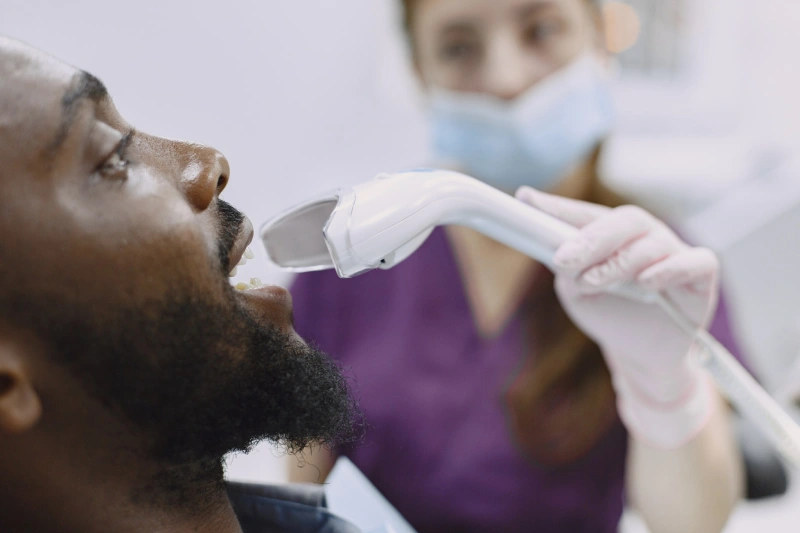
Your teeth are designed to last a lifetime. Yet, sometimes, despite our best efforts with brushing and flossing, a tooth can become so damaged or diseased that saving it is no longer a viable option. In these cases, a tooth extraction—the complete removal of a tooth from its socket—becomes a necessary step to protect your overall oral health and prevent more serious complications.
The thought of having a tooth pulled can be anxiety-inducing. However, modern dentistry has made the procedure remarkably comfortable and routine. Understanding the why behind an extraction can ease your mind and empower you to make the best decision for your health.
Let’s explore the key signs and dental conditions that often indicate a tooth may need to be extracted.
1. Severe Tooth Decay (Cavities)
This is one of the most common reasons for tooth extraction. A small cavity is easily treated with a filling. But when decay is left unchecked, it can burrow deep into the tooth, reaching the inner pulp chamber which houses nerves and blood vessels.
- What to look for: Initially, you might experience sensitivity to hot, cold, or sweet foods. As it progresses, this can turn into a persistent, throbbing toothache. If the decay becomes extensive, it can destroy so much of the tooth’s structure that there isn’t enough healthy tooth left for a crown or other restoration. In these cases, extraction is the only solution to stop the infection and pain.
2. Advanced Gum Disease (Periodontitis)
Your teeth are held firmly in place by your gums and the underlying jawbone. Gum disease is an infection of these supporting tissues. In its advanced stages, periodontitis causes the gums to pull away from the teeth, forming infected pockets. The bacteria and your body’s immune response start to break down the bone and connective tissue.
- What to look for: Symptoms include swollen, red, or bleeding gums, persistent bad breath, receding gums, and loose teeth. When too much bone has been destroyed, the teeth lose their foundation and become irreversibly loose. Extracting severely compromised teeth is often the first step in treating advanced gum disease and preparing for future dental restoration.
3. A Deep Dental Infection (Abscess)
When bacteria from a deep cavity or crack infect the tooth’s pulp, it can lead to an abscess—a pus-filled pocket at the root tip. This is a serious condition that can not only cause excruciating pain but also pose a risk of the infection spreading to your jaw, head, neck, or even your bloodstream.
- What to look for: Severe, constant pain, swelling in your cheek or jaw, a pimple-like bump on your gums, sensitivity to pressure (especially when chewing), and sometimes even a fever. While a root canal can often save an abscessed tooth, if the infection is too severe or the tooth cannot be restored, extraction is necessary to drain the infection and eliminate the source of bacteria.
4. Impacted Teeth
An impacted tooth is one that has failed to erupt fully through the gums, often because it’s blocked by another tooth or there isn’t enough room in the jaw. While wisdom teeth are the most common culprits, canines and premolars can also become impacted.
- What to look for: You may not feel an impacted tooth, but it can cause significant problems silently. It can damage the roots of adjacent teeth, lead to cysts or tumors in the jawbone, cause crowding, or become a trap for food and bacteria, leading to infection and pain. Dentists often identify these through X-rays and recommend preemptive extraction to avoid future issues.
5. Crowding or Orthodontic Preparation
Sometimes, teeth need to be extracted not because they are diseased, but to create space. In orthodontic treatment, if a patient has significant crowding, removing one or more teeth can allow the orthodontist to properly align the remaining teeth for a healthier, more aesthetic bite.
6. Fractured or Broken Teeth
Teeth can fracture from trauma, like a fall or a blow to the face, or from years of wear and tear (like grinding or a large old filling). If a crack extends deep below the gum line or vertically splits the root, the tooth is often impossible to save with a crown or root canal. The structural integrity is lost, and extraction is the only reliable option to prevent infection.
7. Failed Root Canal Treatment
Root canal therapy has a very high success rate, but in rare cases, a tooth can become re-infected. If a root canal fails and the tooth cannot be successfully retreated (due to complex canal anatomy or a vertical root fracture), extraction may be the recommended course of action to resolve the ongoing issue.
What to Do If You Experience These Signs
Ignoring these warning signs will not make the problem disappear. Dental issues almost always worsen over time, leading to more pain, more complex procedures, and higher costs.
If you are experiencing any of the symptoms mentioned—especially severe pain, swelling, or a loose tooth—it is crucial to see a dentist as soon as possible. A professional evaluation, including an examination and X-rays, is the only way to accurately diagnose the problem and determine the best treatment plan.
A Note on Modern Tooth Extractions
It’s important to dispel the fear around extractions. Today, the process is performed with powerful local anesthetics to ensure you are completely comfortable. For more complex cases or anxious patients, sedation options are available. Your dentist’s goal is to make the experience as pain-free and stress-free as possible, setting the stage for optimal healing.
Your Health is the Priority
While preserving your natural teeth is always the primary goal, there are times when extraction is the wisest and healthiest choice. Removing a problematic tooth alleviates pain, eliminates infection, and prevents damage to surrounding teeth and bone. It is a proactive step toward restoring your oral health.
Following an extraction, your dentist will discuss excellent replacement options, such as dental implants or bridges, to restore function and aesthetics to your smile.
If you’re experiencing any dental discomfort or have been told you (may need an extraction), don’t ignore it. Seeking expert advice is the first step toward relief and a healthier smile. The team at Jain Dental Studio provides compassionate and comprehensive care, using modern techniques to ensure your comfort. They will thoroughly evaluate your situation, discuss all your options, and help you make the best decision for your long-term oral health. Schedule a consultation today to get the professional care you deserve.